Code Protection Clipart Artwork: Essential Visuals for Digital Security Branding
In an era where data breaches and cyber threats dominate the headlines, establishing trust with your audience is more critical than ever. Whether you are a cybersecurity firm, a software developer, or a tech blogger, your visual identity must communicate safety, reliability, and professionalism instantly. This is where Code Protection Clipart Artwork becomes an indispensable asset for your design toolkit. It is not merely about adding an image to a webpage; it is about leveraging visual psychology to reassure users that their information is secure.
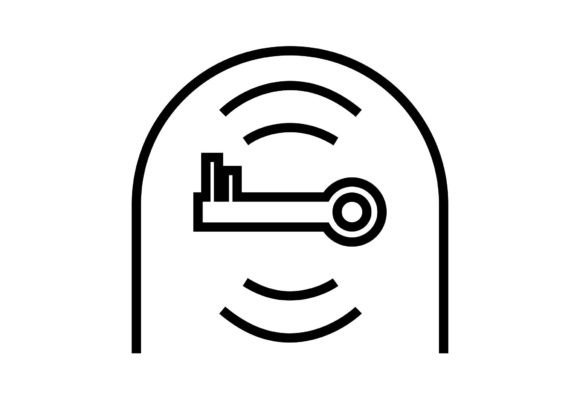
Many creators struggle to find the right balance between technical accuracy and aesthetic appeal when designing security-related graphics. Complex illustrations can clutter user interfaces, while overly generic icons may fail to convey the seriousness of data protection. The solution lies in adopting a minimalist approach. A minimalist code protection icon design serves as a clear, unambiguous signal of security without overwhelming the viewer. If you are looking for a versatile, high-quality visual element, an aesthetic shield vector symbol designed for Photoshop or other graphic software provides the perfect textured image overlay for your projects.
The Power of Minimalist Design in Cybersecurity Graphics
Minimalism in graphic design is not just a trend; it is a functional necessity, especially in digital environments where screen real estate is limited and attention spans are short. When users encounter a "code protection" symbol, they need to understand its meaning within milliseconds. Cluttered designs with excessive details can confuse the message, whereas simple, clean lines enhance recognition and recall.
This simple SEO and web artwork image is printable and actually ideal as a graphic design for mobile phones or on the web. The clean lines and balanced proportions of a minimalist shield icon ensure that it remains legible even at smaller sizes. This scalability is crucial for modern responsive design, where a single asset must look crisp on a massive desktop monitor and a tiny smartphone screen alike. By utilizing Code Protection Clipart Artwork that prioritizes simplicity, you ensure that your brand’s message of security is communicated effectively across all devices.
Versatile Applications for Modern Digital Projects
One of the primary challenges designers face is creating assets that are flexible enough to be used across various media formats. A rigid image file might work for a website header but fail miserably when printed on a brochure or scaled for a mobile app icon. High-quality clipart solves this problem by offering versatility. The minimal icons are perfect for mobile apps, banners, info cards, websites, social media accounts, catalogues, brochures, and many more.
Consider the following practical applications where this type of artwork adds significant value:
- Mobile Applications: In app interfaces, space is at a premium. A compact, recognizable shield icon can indicate secure login features, encrypted data storage, or safe payment gateways without disrupting the user experience.
- Website Banners and Hero Sections: For cybersecurity companies or SaaS platforms, using a textured image overlay of a shield can create a strong visual anchor in hero sections, immediately informing visitors about the core value proposition: safety.
- Informational Cards and Infographics: When explaining complex security protocols, such as two-factor authentication or end-to-end encryption, simple icons help break down text-heavy content into digestible visual chunks.
- Print Materials: Brochures, business cards, and catalogues benefit from high-resolution vector graphics that maintain sharpness regardless of the print size. This ensures your marketing materials look professional and credible.
- Social Media Branding: Consistent use of a specific code protection icon across LinkedIn, Twitter, and Instagram helps build brand recognition. It signals to your followers that security is a central pillar of your identity.
Technical Specifications for Professional Results
To achieve professional-grade results, the technical quality of your digital assets is paramount. Low-resolution images can appear pixelated and amateurish, undermining the very trust you are trying to build. Therefore, selecting the right file specifications is crucial. For instance, a standard size of 512x512px at 300 dpi is ideal for printing on paper, ensuring that every edge is crisp and every detail is preserved.
However, resolution is only part of the equation. The file format determines how easily you can integrate the artwork into your existing workflow. A comprehensive package should include multiple formats to cater to different software needs. Typically, a robust digital download includes:
- JPG: Perfect for quick web uploads and scenarios where transparency is not required.
- PNG: Essential for web design, allowing for transparent backgrounds so the icon can sit seamlessly over any color or image.
- SVG: Scalable Vector Graphics are ideal for modern web development, allowing the icon to scale infinitely without losing quality.
- EPS and AI: These Adobe Illustrator formats are necessary for professional designers who need to edit the vector paths, change colors, or modify shapes to match specific brand guidelines.
- DXF: Useful for those working with CAD software or cutting machines, expanding the utility of the design beyond traditional graphic design.
Having all these digital files in a single ZIP folder streamlines your workflow. You no longer need to convert files or worry about compatibility issues. Whether you are using Photoshop, Illustrator, Canva, or a coding environment like VS Code, you will have the right format at your fingertips.
Tailoring the Approach for Different Users
Different professionals will approach Code Protection Clipart Artwork with varying goals. Understanding these perspectives can help you maximize the utility of the asset.
For Web Developers: The focus is on performance and integration. SVG files are particularly valuable here because they are lightweight and can be styled directly with CSS. This allows developers to change the color of the shield icon dynamically based on user interactions, such as hovering or clicking, enhancing the interactivity of the site.
For Graphic Designers: The emphasis is on customization and composition. AI and EPS files allow designers to deconstruct the shield symbol, perhaps adding subtle textures or combining it with other elements like padlocks or binary code streams. This flexibility enables the creation of unique branded assets that stand out from stock imagery.
For Marketers and Content Creators: The goal is clarity and engagement. High-resolution PNGs and JPGs are ready-to-use assets for social media posts, email newsletters, and blog headers. The aesthetic appeal of a minimalist design ensures that the visual supports the copy rather than distracting from it.
Enhancing Trust Through Visual Consistency
Consistency is key to building brand authority. Using a cohesive set of icons, including a distinct code protection symbol, helps create a unified visual language. When users see the same style of iconography across your website, app, and marketing materials, it reinforces the perception of a well-organized and professional entity.
Moreover, the aesthetic quality of the icon matters. A textured image overlay can add depth and sophistication, moving away from flat, sterile designs to something more engaging. However, it is important to ensure that the texture does not compromise readability. The balance between style and function is what makes a minimalist icon effective.
If you are seeking to elevate your project’s visual appeal while maintaining a strong message of security, investing in high-quality clipart is a strategic move. Visit our shop for more modern digital icon design elements that can complement your code protection graphics. By choosing assets that are both aesthetically pleasing and technically robust, you equip yourself with the tools needed to communicate trust and professionalism in the digital age.
In conclusion, Code Protection Clipart Artwork is more than just a decorative element; it is a functional component of your digital communication strategy. By selecting minimalist, high-resolution, and versatile vector symbols, you ensure that your message of security is clear, consistent, and impactful across all platforms. Whether for mobile apps, web banners, or print collateral, the right icon can make all the difference in how your audience perceives your brand’s commitment to safety.