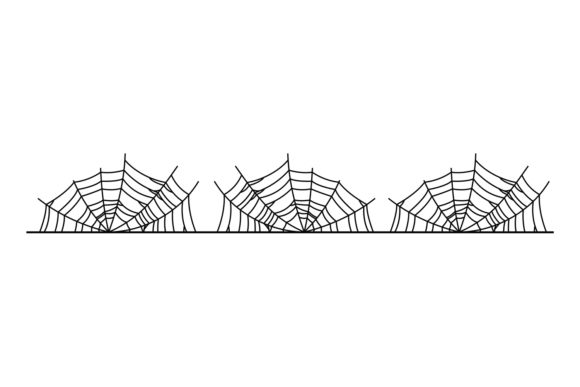
Evaluating Round Spider Web Elements for Halloween Decor: A Practical Guide to Digital and Physical Assets
When curating a cohesive Halloween aesthetic, the devil is often in the details. While large props like animatronics or inflatable yard displays grab immediate attention, it is the subtle textures and layered elements that create an immersive atmosphere. Among these, Round Spider Web Elements have emerged as a versatile staple for both digital designers and physical decorators. Specifically, assets described as "Halloween decoration element isolated on white background" in formats like EPS and JPG offer a unique blend of flexibility and ease of use. This article explores the utility of these round web designs, comparing them against traditional irregular webs and other decorative motifs to help you determine if they are the right fit for your project.
Understanding the Distinct Appeal of Circular Web Designs
Spider webs in nature are rarely perfect circles; they are often asymmetrical, torn, or anchored unpredictably. However, in the context of design and structured decoration, the round spider web serves a different purpose. It offers symmetry, balance, and a contained visual footprint. When you select a round spider web element, you are choosing a graphic that is self-contained and easily scalable without losing its structural integrity.
The specific mention of "isolated on white background" is crucial for users evaluating these assets. An isolated element means the background has been removed or is easily removable, allowing the web to be placed over any color, texture, or image without a visible box around it. For digital creators, this saves hours of manual editing. For those printing decals or stickers, it ensures clean edges. The availability of both EPS (Encapsulated PostScript) and JPG (Joint Photographic Experts Group) formats further broadens the accessibility. EPS files are vector-based, meaning they can be resized to any dimension—from a small icon to a massive banner—without pixelation. JPGs, while raster-based and fixed in resolution, are universally compatible and ideal for quick web use or standard home printing.
Comparing Round Webs to Traditional Irregular Styles
To make an informed decision, it is helpful to compare round spider web elements with their more chaotic counterparts. Traditional, irregular spider webs are often preferred for realistic horror settings. They mimic the abandoned, dusty corners of an attic or a haunted forest. If your goal is gritty realism, an asymmetrical web might seem like the obvious choice. However, round webs offer distinct advantages in specific contexts:
- Visual Balance: Round elements act as natural focal points. In graphic design, they can frame text or logos effectively, creating a harmonious composition that irregular shapes might disrupt.
- Repeatability: For pattern creation—such as wrapping paper, fabric prints, or wallpaper—a round tileable element is far easier to work with. Irregular webs often require complex masking to create seamless repeats.
- Modern Aesthetics: Contemporary Halloween decor often leans towards "spooky chic" rather than pure terror. Clean, geometric lines of a round web fit better with minimalist or modern interior design themes.
Consider the tradeoff: while irregular webs feel more "authentic" to nature, round webs feel more "designed." If you are creating professional marketing materials, party invitations, or curated home decor, the polished look of a round element often communicates higher production value.
Format Matters: EPS vs. JPG for Different Use Cases
One of the most critical decision factors when acquiring Round Spider Web Elements is understanding the file format requirements of your project. Many users overlook this until they attempt to resize an image and encounter blurriness or jagged edges.
The Case for EPS (Vector)
If you are a designer, printer, or someone planning to scale the image significantly, EPS is the superior choice. Vector graphics use mathematical equations to define lines and curves. This means you can stretch a small web icon to cover an entire wall mural, and the lines will remain crisp and sharp. EPS files are also editable in software like Adobe Illustrator, allowing you to change the line thickness, color, or even add additional elements to the web structure. For professional applications, this flexibility is invaluable.
The Utility of JPG (Raster)
For casual users, social media posts, or standard document insertion, JPGs are perfectly adequate. They are smaller in file size, load quickly, and open in any basic image viewer. However, they have a fixed resolution. If you buy a 500x500 pixel JPG and try to print it on a poster, it will appear pixelated. Therefore, if you choose the JPG route, ensure the source file is high-resolution (300 DPI or higher) if printing is intended. The "isolated on white background" feature in JPGs usually means the white area can be set to "transparent" in many basic editing tools, though it may not be as clean as a native PNG or vector file.
Practical Applications and Integration Strategies
Understanding the asset is one thing; integrating it effectively is another. Here are several practical scenarios where round spider web elements excel, along with tips for maximizing their impact.
- Digital Invitations and Social Media: Use the round web as a border or frame for event details. Because the shape is symmetrical, it draws the eye inward toward the center text. Overlaying a semi-transparent round web over a dark background adds texture without obscuring readability.
- Physical Decor and Decals: If you are using vinyl cutters or home printers to create window decals, the round shape is easy to cut and apply. Circular decals adhere better to curved surfaces like glass jars or pumpkins compared to long, straggly web strands that may peel at the edges.
- Textile and Craft Projects: For those into DIY crafts, round web patterns can be ironed onto tote bags or pillows. The compact nature of the round element allows for placement on smaller items like coasters or candle holders, where a large, sprawling web would look cluttered.
It is also worth noting that these elements can be layered. Combining multiple round webs of varying sizes and opacities can create depth. For instance, placing a large, faint web in the background and a smaller, sharper web in the foreground can simulate a three-dimensional space, enhancing the spooky ambiance without requiring physical props.
Limitations and When to Choose Alternatives
While versatile, round spider web elements are not a universal solution. Recognizing their limitations helps avoid design missteps. Firstly, if your theme is strictly organic or wilderness-based, the geometric perfection of a round web may feel out of place. In such cases, hand-drawn, irregular webs or photographic images of real webs might be more appropriate.
Secondly, overuse can lead to visual fatigue. Because round elements are so balanced and eye-catching, using too many can make a design feel repetitive or static. It is often better to use one or two prominent round webs as anchor pieces and supplement them with subtler textures or linear elements.
Finally, consider the color palette. Black webs on white backgrounds are classic, but they can appear stark. If your Halloween decor features orange, purple, or green tones, ensure you have the ability to recolor the EPS file or choose a JPG that complements your scheme. Some users find that grey or translucent webs integrate more naturally into colorful designs than solid black ones.
Making the Final Decision
Choosing between Round Spider Web Elements and other decorative options ultimately depends on your specific goals. If you prioritize ease of use, scalability, and a polished, modern aesthetic, these isolated elements in EPS or JPG format are an excellent resource. They bridge the gap between professional design quality and user-friendly accessibility.
However, if you seek raw, unstructured realism or are working with limited digital editing skills, you might prefer pre-made physical decorations or photographic assets. Evaluate your project's scale, your technical comfort level with file formats, and the overall vibe you wish to achieve. By weighing these factors, you can select the decorative elements that not only fit your theme but also enhance the overall quality of your Halloween presentation.